What Fascia Actually Is
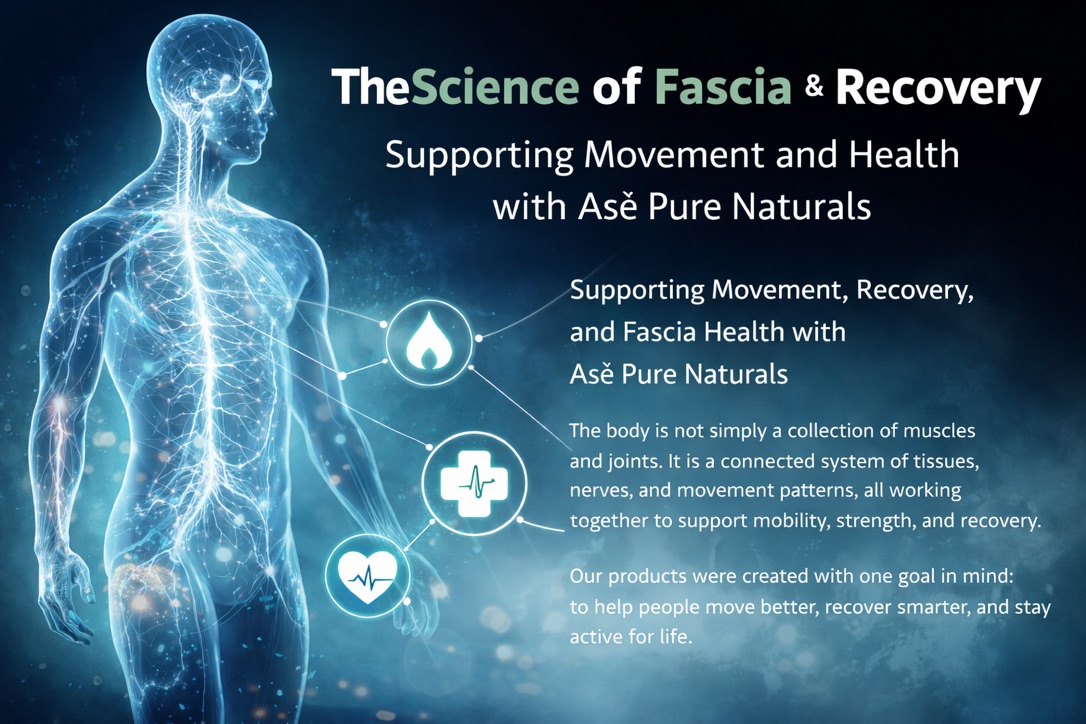
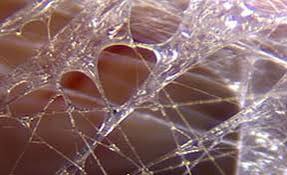
Fascia is a continuous web of connective tissue that surrounds and connects everything in the body.
It wraps around:
• muscles
• organs
• nerves
• blood vessels
• bones
• joints
Instead of muscles working independently, fascia links the entire body into one integrated system.
You can think of fascia as a three-dimensional spider web running throughout your entire body, connecting and supporting every structure.
A Simple Way to Visualize Fascia
Because fascia is difficult to picture, two simple food examples help explain it.
The Orange Example
Imagine peeling an orange.
• The fruit segments = muscles
• The white stringy network holding the slices together = fascia
That thin white network keeps the fruit organized and connected.
Your body works in a similar way.
The Sausage Example
Another helpful example is a sausage.
The meat is wrapped in a thin casing that holds everything together.
Fascia acts like this casing, wrapping around muscles and muscle groups, helping maintain structure while allowing them to move smoothly.

The Structure of Fascia
Fascia is composed primarily of several key components:
• Collagen fibers – provide strength and structural support
• Elastin fibers – allow tissue to stretch and recoil
• Ground substance – a gel-like matrix that holds cells in place
• Hyaluronic acid – provides lubrication between tissue layers
Hyaluronic acid is especially important because it allows layers of fascia to glide smoothly over each other.
When fascia is healthy:
• tissues slide easily
• movement feels fluid
• joints feel light and mobile
When fascia becomes dehydrated or inflamed:
• tissues begin sticking together
• movement becomes restricted
• pain can develop
Why Fascia Is So Important
Fascia plays several critical roles in the body.
Movement
Fascia helps transfer force between muscles.
Many athletic movements rely heavily on fascial elasticity rather than just muscle contraction.
Examples include:
• sprinting
• jumping
• throwing
• rotational sports
Pain Signaling
Fascia contains many sensory nerve endings, including pain receptors.
Some research suggests fascia may contain more pain receptors than muscle tissue, which helps explain why fascial restrictions can cause widespread discomfort.
Stability and Posture
Fascia helps stabilize joints and maintain posture by distributing tension throughout the body.
Shock Absorption
Fascia distributes mechanical stress across multiple structures, helping protect joints and tissues during movement.
Why Fascia Was Overlooked for So Long
Historically, fascia received very little attention in medicine.
This happened for several reasons:
1️ Fascia was often removed during cadaver dissections
2️ It was believed to be simple “packing material”
3️ Medical education focused mostly on muscles and bones
However, advances in imaging and research have dramatically changed our understanding.
Over the past two decades, fascia research has expanded rapidly.
Scientists now recognize fascia as a major sensory and mechanical system in the body.
Symptoms of Unhealthy Fascia
When fascia becomes tight, inflamed, or dehydrated, a wide range of symptoms can develop.
Common signs include:
• chronic tightness
• restricted mobility
• muscle stiffness
• trigger points
• unexplained body pain
• reduced flexibility
• slow recovery after exercise
• recurring injuries
Many common athletic injuries may involve fascia.
Examples include:
• plantar fasciitis
• IT band pain
• chronic back tightness
• shoulder restrictions
In many cases, these issues are fascial problems rather than muscle injuries.
What Happens When Fascia Becomes Dysfunctional
When fascia becomes stressed or inflamed, several biological changes can occur.
1️ Collagen fibers become disorganized
2️ Hyaluronic acid thickens
3️ Tissue layers stop gliding properly
This process is sometimes called fascial densification.
Instead of tissues sliding smoothly, they become sticky and restricted, which can create stiffness and pain.
Fascia and the Nervous System
Fascia is now considered one of the most sensory-rich tissues in the body.
It contains several types of nerve receptors.
Mechanoreceptors
Detect stretch, pressure, and movement.
Proprioceptors
Tell the brain where the body is positioned in space.
Nociceptors
Pain receptors that signal tissue irritation.
Because fascia constantly communicates with the brain, some researchers describe it as a body-wide sensory communication network.
This is why fascia is sometimes referred to as the body’s “second nervous system.”
Fascia and the Body’s Stress Response
Fascia is strongly influenced by the nervous system.
The body operates through two main nervous system states:
• Sympathetic (fight-or-flight)
• Parasympathetic (rest-and-recovery)
When the body is under chronic stress, fascia may become:
• tighter
• more rigid
• less hydrated
When the body is relaxed, fascia becomes:
• more elastic
• better lubricated
• more mobile
This is one reason emotional stress can lead to physical tension.
The Endocannabinoid System and Fascia
Fascial cells called fibroblasts contain receptors related to the body’s endocannabinoid system (ECS).
The ECS helps regulate many biological functions, including:
• inflammation
• pain perception
• immune activity
• tissue repair
The ECS includes:
Receptors
CB1 and CB2 receptors located throughout the body.
Endocannabinoids
Natural compounds produced by the body such as:
• anandamide
• 2-AG
Enzymes
These break down endocannabinoids when they are no longer needed.
One key enzyme is FAAH, which breaks down anandamide.
How CBD May Interact With Fascia
CBD interacts with the endocannabinoid system in several ways.
Unlike THC, CBD does not strongly bind directly to cannabinoid receptors.
Instead, it modulates the system.
Research suggests CBD may influence fascia through several mechanisms.
Increasing Natural Endocannabinoids
CBD may inhibit the enzyme FAAH.
When FAAH is inhibited, levels of anandamide increase.
Anandamide plays roles in:
• pain regulation
• mood balance
• inflammation signaling
Influencing Inflammation
Chronic fascial pain often involves low-grade inflammation.
Inflammatory signaling molecules include:
• TNF-alpha
• IL-6
• IL-1β
CBD has been shown in research to influence inflammatory pathways and immune responses.
Pain Modulation
CBD interacts with TRPV1 receptors, which regulate pain and heat sensation.
These receptors are involved in musculoskeletal pain pathways.
Nervous System Balance
CBD also interacts with serotonin receptors such as 5-HT1A, which influence mood and stress response.
Because fascia responds to nervous system tone, supporting nervous system balance may help support recovery.
CBD Dosing for Pain and Recovery
There is no universal dose, but common ranges used in research and clinical practice include:
Mild discomfort or daily recovery
10–25 mg per day
Moderate inflammation or pain
25–50 mg per day
Athletic recovery or chronic pain
50–100 mg per day
Factors influencing dosage include:
- body weight
• metabolism
• severity of symptoms
• product quality
Some individuals split doses morning and evening.
Topical CBD for Fascia
Topical CBD products are commonly used for localized discomfort.
Examples include:
• creams
• balms
• roll-ons
Athletes often apply them to:
• knees
• shoulders
• lower back
• plantar fascia
• hips
• IT band
Topical products may interact with cannabinoid receptors located in the skin and connective tissues.
Other Ways to Support Fascia Health
CBD works best as part of a broader recovery strategy.
Hydration
Fascia depends heavily on water content.
Dehydration can make tissue stiffer and less elastic.
Hyaluronic Acid
Hyaluronic acid acts like lubrication between fascial layers and helps maintain tissue glide.
The body naturally produces it, but levels decline with age.
Movement
Fascia adapts to movement patterns.
Helpful activities include:
• walking
• stretching
• yoga
• mobility work
• dynamic movement
Long periods of sitting can contribute to fascial stiffness.
Myofascial Release
Foam rollers, massage balls, and bodywork techniques may stimulate fascial tissue and improve:
• circulation
• hydration
• mobility
Why Athletes Are Paying More Attention to Fascia
Elite athletes increasingly focus on fascial health because fascia influences:
• running efficiency
• jumping ability
• force transfer
• injury prevention
Healthy fascia can store and release energy like a biological spring, improving movement efficiency.
The Future of Fascia Research
Fascia research is expanding rapidly as scientists continue to uncover how this connective tissue network influences movement, pain signaling, and overall body mechanics.
Researchers are now studying how fascia interacts with:
• the nervous system
• inflammation pathways
• movement biomechanics
• the endocannabinoid system
This growing body of research is changing how we understand many common musculoskeletal issues and may reshape approaches to:
• pain management
• athletic performance
• rehabilitation
• functional medicine
As awareness of fascia continues to grow, more people are recognizing that supporting connective tissue health is essential for long-term mobility, recovery, and overall wellness.
Key Takeaway
Fascia is a body-wide connective tissue network that plays a major role in movement, structural stability, and pain signaling.
When fascia becomes inflamed, dehydrated, or restricted, it can contribute to:
• stiffness
• reduced mobility
• chronic pain
• slower recovery from exercise
Supporting fascia health through proper hydration, regular movement, recovery strategies, and inflammation management can help maintain the body’s natural ability to move efficiently and recover effectively.
Supporting Movement, Recovery, and Fascia Health with Asé Pure Naturals
Understanding fascia helps us see the body differently.
The body is not simply a collection of muscles and joints. It is a connected system of tissues, nerves, and movement patterns, all working together to support mobility, strength, and recovery.
When fascia becomes inflamed, dehydrated, or restricted, it can affect how the entire body moves and feels. Supporting fascial health therefore requires a holistic approach that includes movement, recovery strategies, hydration, and proper support for inflammation and pain signaling.
Our products were created with one goal in mind: to help people move better, recover smarter, and stay active for life.
~The Asé Pure Naturals Team