The Sports Psychology Habits of the World’s Greatest Athletes
Elite athletes aren’t just stronger, faster, or more talented.
They think differently.
When the lights are brightest and the pressure is suffocating, the best in the world don’t rely on motivation or emotion. They rely on systems, awareness, and recovery. That’s not mindset fluff — that’s sports psychology, neuroscience, and decades of proof from the greatest competitors of all time.
Michael Jordan. Muhammad Ali. Mike Tyson. George Foreman.
Different sports. Different eras. Same truth:
The mind wins before the body follows.
The Hidden Edge: Why Mindset Is the Real Separator
Sports science estimates that mental performance accounts for up to 50–90% of success at elite levels once physical skill is matched.
— Dr. Jim Taylor, Performance Psychologist
At the top, everyone trains hard. Everyone lifts. Everyone practices.
What separates champions is:
- How they regulate stress
- How they recover
- How they respond when things go wrong
Elite performance isn’t built in hype moments — it’s built in daily decisions no one sees.
- Elite Athletes Think in Careers, Not Moments
Average performers ask:
“How hard can I push today?”
Elite performers ask:
“How long can I stay dangerous?”
Michael Jordan famously said:
“I can accept failure. Everyone fails at something. But I can’t accept not trying.”
That “trying” wasn’t reckless. Jordan took strategic rest, prioritized recovery, and protected his longevity — which is why he dominated for years, not weeks.
Sports psychology research shows athletes focused on process over outcome experience:
- Lower anxiety
- Higher confidence
- Fewer burnout cycles
Elite takeaway:
🔥 Winning today means protecting tomorrow.
- They Don’t Avoid Stress — They Dominate It
Stress isn’t the enemy. Unregulated stress is.
Muhammad Ali understood this better than almost anyone:
“I hated every minute of training, but I said, ‘Don’t quit. Suffer now and live the rest of your life as a champion.’”
But here’s what people miss — Ali was also a master of mental regulation:
- Visualization
- Breathing
- Confidence scripting
- Strategic recovery
Elite athletes recognize early red flags:
- Poor sleep
- Mood changes
- Lingering soreness
- Mental fog
From a neuroscience standpoint, recovery activates the parasympathetic nervous system — the state where healing, adaptation, and clarity happen.
Elite equation:
Stress + Recovery = Growth
Stress without Recovery = Breakdown
- Control the Controllables (Or Lose the Game)
Mike Tyson said it best:
“Everyone has a plan until they get punched in the mouth.”
Elite athletes don’t panic when plans fall apart — they anchor their focus.
They don’t waste energy on:
- Refs
- Crowd noise
- Competitors
- Outcomes they can’t control
They obsess over:
- Preparation
- Effort
- Attitude
- Recovery habits
Sports psychologists call this selective attention — and it’s one of the strongest predictors of clutch performance.
Elite takeaway:
Control the controllables. Let the rest burn.
- Recovery Is a Competitive Weapon
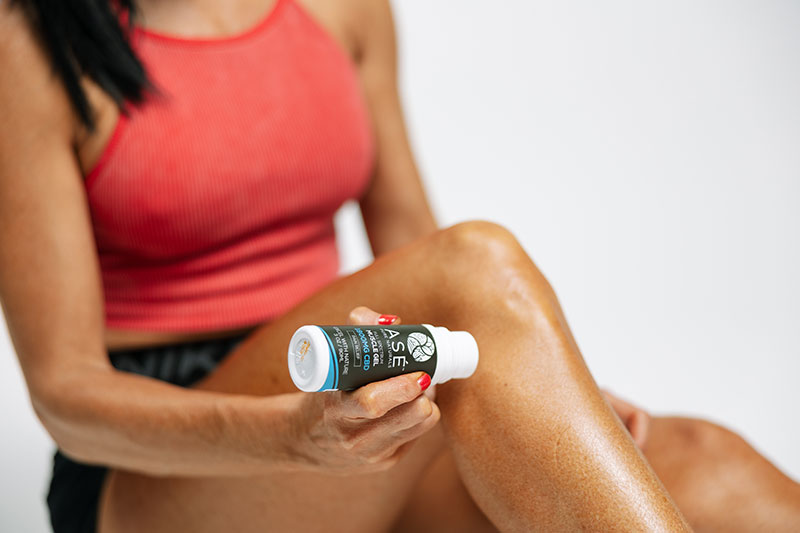
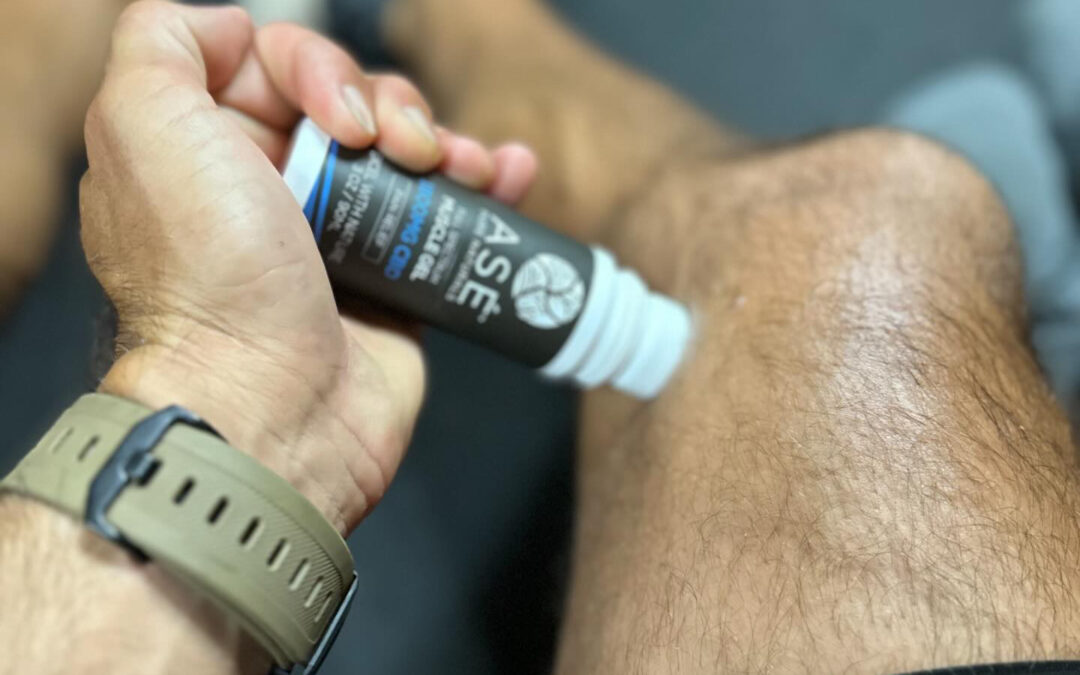
The best athletes don’t treat recovery like a luxury — they treat it like strategy.
George Foreman, who reclaimed the heavyweight title at 45, credited longevity to smarter recovery and restraint:
“You don’t have to be young to win. You just have to be smart.”
Recovery improves:
- Decision-making speed
- Emotional control
- Sleep quality
- Inflammation management
- Nervous system balance
Science is clear:
Performance doesn’t improve during training — it improves during recovery from training.
Elite takeaway:
Recovery is training — just without the ego.
- Rituals Beat Motivation Every Time
Motivation is loud. Rituals are lethal.
Elite athletes build rituals, not random routines:
- Pre-training mental prep
- Post-training recovery rituals
- Evening wind-down protocols
Rituals tell the brain:
“You’re safe. You’re prepared. You’re in control.”
This psychological safety improves confidence and stabilizes performance — especially under pressure.
Elite takeaway:
Rituals anchor the mind when chaos hits.
- Awareness + Ownership = Elite Longevity
At the core of every elite mindset is self-awareness.
Top performers constantly ask:
- “What does my body need today?”
- “How is my nervous system responding?”
- “Where can recovery improve performance?”
They don’t ignore signals — they respond intelligently.
Mike Tyson admitted later in life:
“Discipline is doing what you hate to do, but doing it like you love it.”
That includes recovery, restraint, and mental maintenance.
Elite takeaway:
👁 Awareness creates control.
🏆 Ownership creates excellence.
The Asé Pure Naturals Perspective: Mind, Body, and Spirit
At Asé Pure Naturals, we believe elite performance is built on more than training plans and physical output. True longevity — in sport and in life — comes from alignment between mental clarity, physical resilience, and spiritual health.
Spiritual health doesn’t mean slowing down or disconnecting from ambition. It means having a grounded sense of purpose, inner calm under pressure, and the ability to reset when stress, failure, or adversity hits. The world’s top performers understand this — even if they don’t always label it as “spiritual.”
It shows up as:
- Deep self-awareness
- Purpose beyond ego or outcome
- The ability to stay centered in chaos
- Confidence that isn’t shaken by wins or losses
From a performance psychology standpoint, spiritual well-being improves:
- Emotional regulation
- Stress resilience
- Focus and presence
- Recovery quality
- Decision-making under pressure
When the mind is scattered, the body follows. When the spirit is neglected, burnout arrives faster. But when all three are aligned — mind, body, and spirit — performance becomes sustainable, powerful, and repeatable.
Training hard is important.
Recovering smart is essential.
Staying grounded is what allows athletes to endure.
At Asé, recovery isn’t just about muscles — it’s about restoring the nervous system, calming the mind, and reconnecting with purpose so you can show up fully, day after day.
Whether you’re chasing podiums, personal bests, or simply a stronger life, elite performance starts from the inside out.
Final Word
The difference between good and great isn’t talent.
It’s:
- Awareness
- Discipline
- Recovery
- Mindset under pressure
The greatest athletes in history didn’t just train harder.
They thought smarter, recovered deeper, and built systems that lasted.
That’s the elite mindset.
And it’s trainable.