Can You Build a Tolerance to CBD?
If you’re considering long-term CBD use, it’s a smart question:
Will it stop working over time?
Will I need more and more?
Many supplements work by replenishing something depleted in the body. Others overstimulate systems and eventually require higher doses.
CBD functions differently.
To understand why, we need to look at how it interacts with the body.
CBD and the Endocannabinoid System (Made Simple)
CBD works with a regulatory network called the endocannabinoid system (ECS).
The ECS helps regulate balance across:
- The nervous system (stress response and calm signaling)
• The immune system (inflammatory response)
• Sleep cycles
• Mood stability
• Physical recovery
Instead of stimulating or forcing a response, the ECS helps maintain homeostasis — internal balance.
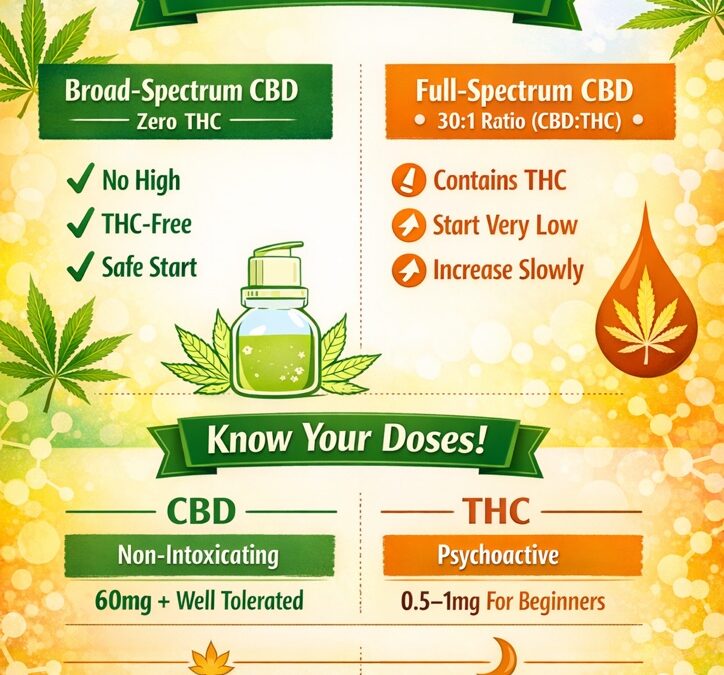
CBD does not strongly bind to CB1 receptors the way THC does. THC directly activates those receptors and produces psychoactive effects (a “high”). CBD does not produce a high because it does not directly stimulate CB1 receptors in that way.
Instead, CBD:
- Modulates receptor signaling
• Influences enzymes that regulate natural endocannabinoids
• Interacts with serotonin receptors involved in mood
• Engages TRPV1 receptors involved in discomfort and inflammatory signaling
Because CBD acts as a modulator rather than an activator, research has not shown consistent evidence of classical tolerance development.
A Better Comparison: Magnesium and Vitamin D
Think about magnesium or Vitamin D.
When someone is deficient in magnesium, they may experience:
- Muscle tension
• Poor sleep
• Heightened stress response
When magnesium levels are restored:
- Sleep improves
• Muscles relax more easily
• Stress resilience increases
At first, improvements feel noticeable.
Over time, as levels stabilize, effects feel steady rather than dramatic.
The same is true for Vitamin D. If levels are low, correcting them can produce noticeable changes in energy and mood. Once optimal levels are reached, the benefit feels consistent—not intense.
CBD may function similarly.
If the endocannabinoid system is under strain due to:
- Chronic stress
• Intense physical training
• Poor sleep patterns
• Environmental demands
CBD may feel very noticeable at first.
As balance improves, the experience becomes steady and supportive.
That shift is not tolerance. It may reflect improved baseline regulation.
CBD vs THC: Why Tolerance Differs
THC:
• Directly activates CB1 receptors
• Produces psychoactive effects
• Associated with receptor down-regulation
• Tolerance commonly develops
CBD:
• Does not produce a high
• Does not strongly activate CB1 receptors
• Modulates multiple regulatory systems
• Has not shown consistent evidence of dose escalation over time
Mechanism matters. CBD supports balance. THC stimulates receptors more directly.
Real-World Use Cases: How CBD Supports Different Systems
- Stress Regulation
A high-demand professional begins CBD during a period of elevated stress.
Early experience:
• Improved sleep onset
• Calmer evenings
• More stable mood
After several months:
Effects feel less dramatic.
Why?
Baseline stress improved. The nervous system stabilized. The system is no longer in a depleted state.
- Recovery and Physical Performance
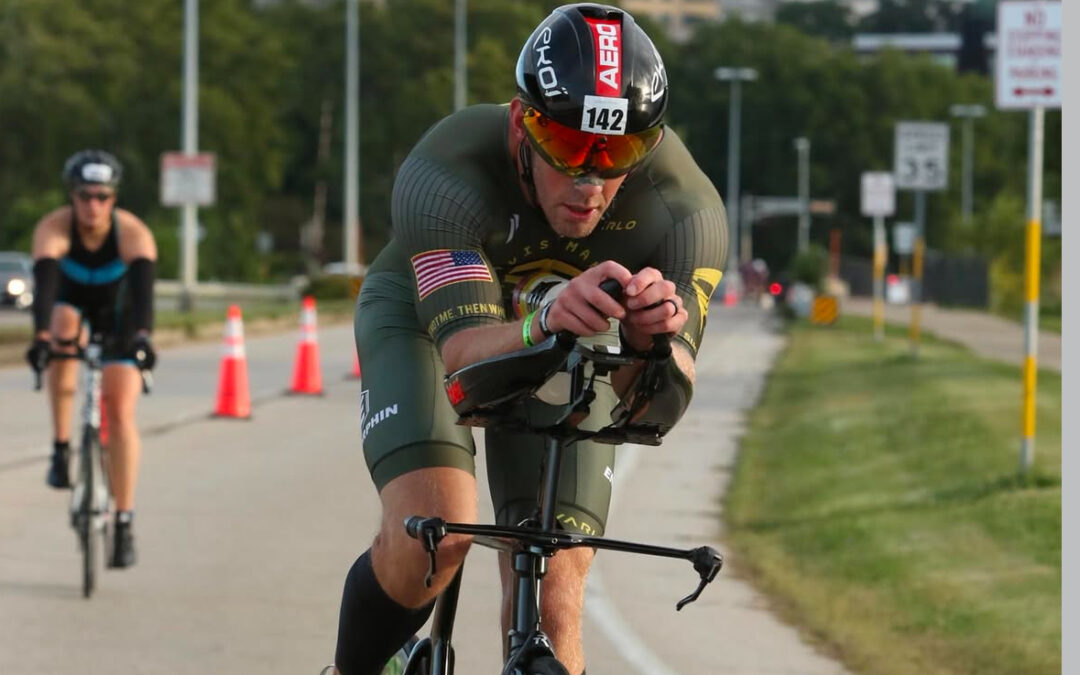
An endurance athlete uses CBD during a heavy training cycle.
Experience:
• Better perceived recovery
• Improved sleep depth
• Reduced overall tension
During off-season:
Training volume drops. CBD use naturally decreases.
This reflects changing demand—not dependency.
- Sleep and Nervous System Support
Someone with irregular sleep patterns begins consistent CBD use.
Initial weeks:
• Noticeable relaxation
• Improved sleep continuity
Months later:
Sleep remains steady. Effects feel subtle but stable.
This reflects regulatory balance.
Does CBD Stop Working?
Current research does not demonstrate strong evidence that CBD requires increasing doses over time.
CBD:
• Does not appear to cause receptor down-regulation
• Does not produce psychoactive overstimulation
• Has not consistently shown classical tolerance patterns
However, needs may fluctuate.
Higher stress periods may increase perceived benefit. Lower stress seasons may reduce perceived need.
That’s adaptive support—not tolerance.
Taking Breaks from CBD
There is no scientific requirement to cycle CBD.
However, some individuals choose to:
- Reduce dosage during low-stress periods
• Take short breaks
• Increase temporarily during intense training or high-demand seasons
Anecdotally, some report renewed sensitivity after a pause. This may reflect shifting stress levels or greater awareness—not receptor reset.
CBD appears to support the system rather than override it.
Why Effects May Feel Stronger at First
When a system is depleted, correction feels noticeable.
As balance returns:
Support feels steady.
This mirrors how magnesium or Vitamin D supplementation feels strongest when deficiency is present and stabilizes once levels normalize.
CBD supports regulatory balance. Balance feels calm, not intense.
The Bottom Line on CBD Tolerance
Based on current evidence:
- CBD does not create a high
• CBD does not appear to create classical tolerance
• Escalating doses are not typically required
• Needs may shift with lifestyle demands
CBD works with the body’s regulatory systems, not against them.
Consistency matters more than increasing dosage.
Listening to your body matters most.
Closing Statement
At Asé Pure Naturals, we believe feeling good is foundational to movement.
We are committed to promoting physical movement at all levels of fitness to foster a healthy lifestyle. Sport and fitness are transformational—not only physically, but mentally and spiritually. Discipline in training teaches resilience, clarity, and purpose. Those principles extend far beyond the gym or the trail.