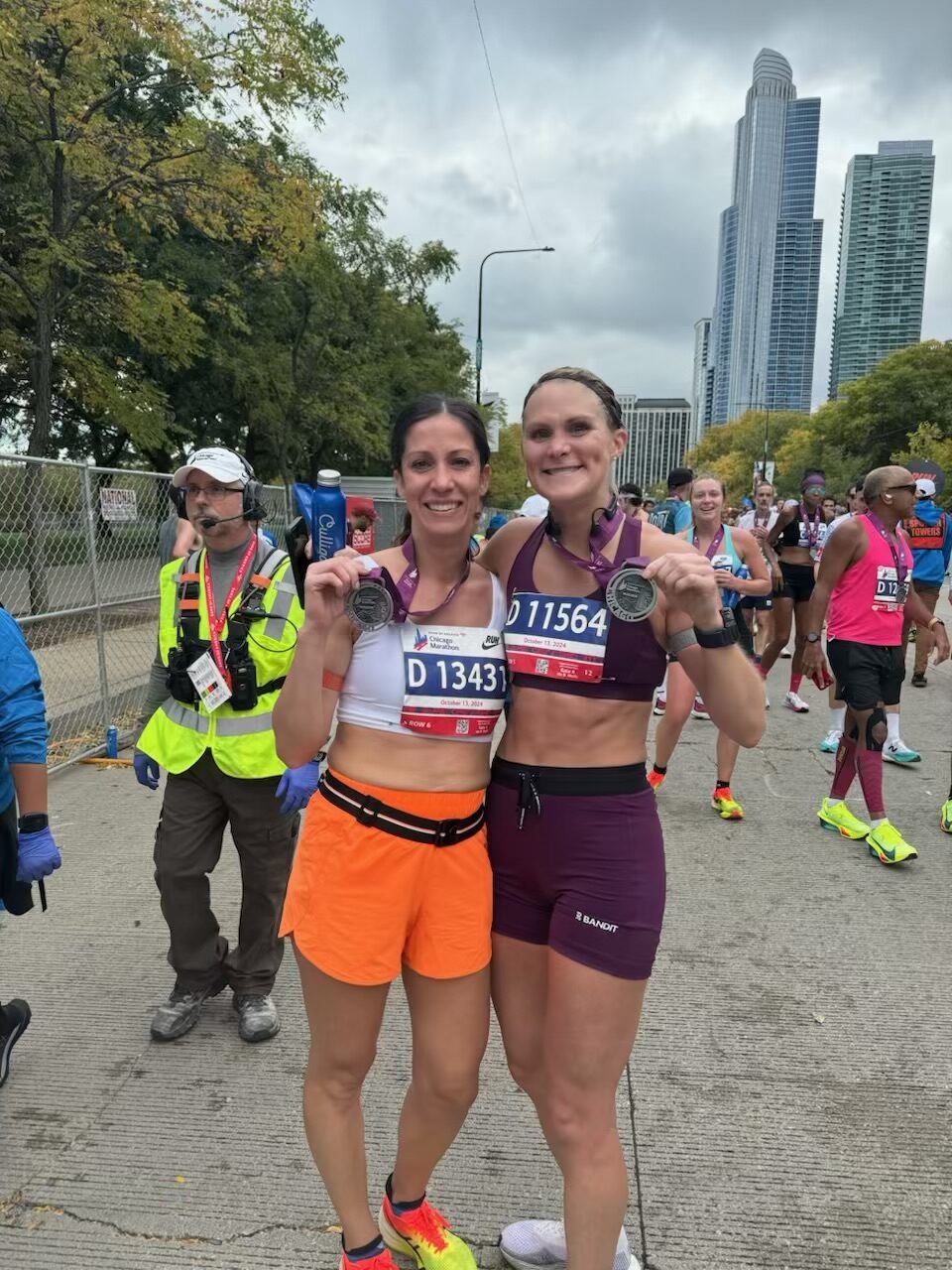
A cultural shift. A wake-up call. A return to capability, strength, confidence, and higher standards.
Something big is happening.
You can feel it in gyms.
You can see it out on the trails.
You can hear it in conversations.
You can watch it unfold on social media in real time.
People are waking up.
The era of “lower your standards,” “do less,” “don’t push yourself,” and “comfort is king” is losing its grip.
The days of glorifying numbness, defending dysfunction, and labeling effort as “toxic” are dying out.
Because deep down, we all knew something was wrong with that message.
And now?
The culture is shifting — fast.
We’re moving from comfort → capability.
From apathy → action.
From excuses → ownership.
From numbness → aliveness.
And this comeback isn’t just aesthetic. It’s physiological, psychological, historical, and human.
Let’s break it down.
How We Got Here: A Brief (Factual) History of Lowered Standards
This isn’t the first time we’ve watched physical capability rise, fall, and rise again in society.
In fact, the United States has gone through several major waves of “fitness culture,” each shaped by what we valued — or failed to value — at the time.
The Industrial Shift (Late 1800s–Early 1900s)
As the country shifted from agricultural labor to industrial work, daily physical activity dramatically decreased.
People moved less, sat more, and relied more heavily on machines.
Public health experts of the time sounded the alarm — noting declines in strength, mobility, and overall vitality.
It was one of the first major wake-up calls that convenience doesn’t automatically equal health.
The Golden Era of Standards: The U.S. Fitness Test Boom (1950s–1990s)
By the mid-20th century, the U.S. had become concerned about declining fitness levels — especially after studies showed American children performing worse in basic physical tests compared to European children.
This led to a wave of national fitness initiatives:
- 1956: The Kraus–Weber study reveals U.S. children fail simple fitness tests at shocking rates.
- 1958: President Eisenhower creates the President’s Council on Youth Fitness.
- 1960s–1990s: The Presidential Physical Fitness Test becomes a national staple.
Millions of kids completed:
- Shuttle runs
- Sit-ups
- Pull-ups
- Timed miles
- Flexibility tests
There were clear standards, clear expectations, and clear cultural messaging:
Being physically capable was normal. Effort was normal. Standards were normal.
The Decline: 2000s–2020s
Over the last two decades, the fitness test era quietly faded away.
Schools reduced PE time, standards dropped, and childhood obesity surged.
At the same time, society was hit with:
- Ultra-processed foods
- Ultra-sedentary tech lifestyles
- Unlimited screen time
- Chronic sleep deprivation
- Stress levels at all-time highs
We slowly replaced:
Capability → convenience
Movement → entertainment
Resilience → instant gratification
High standards → “whatever feels good”
And the cultural messaging shifted too:
- “Don’t push yourself.”
- “Working out is obsessive.”
- “Discipline is toxic.”
- “Just love yourself as you are — effort optional.”
Speaking truth suddenly became “shaming.”
High standards became “judgy.”
Excellence became “elitist.”
This wasn’t just a fitness decline — it was a cultural softening rooted in overstimulation, comfort addiction, and hyper-convenience.
The Comeback: Why Standards Are Rising Again
Here’s the twist:
Today, many schools are bringing fitness testing back — not the old Presidential Test, but modern fitness assessments grounded in science:
- VO2-related tests
- Strength benchmarks
- Functional movement screens
- Mobility and endurance assessments
Why?
Because the consequences of inactivity are undeniable.
Kids are less active.
Adults are more sedentary than ever.
Chronic disease is climbing.
Mental health is declining.
And people can FEEL it.
That’s why we’re witnessing a cultural pivot:
People miss feeling capable.
People miss feeling alive.
People miss having standards.
It turns out the human body WANTS to be challenged.
It THRIVES under discipline.
It’s BUILT for movement and reward chemistry that only effort can unlock.
Fitness isn’t “toxic.”
Fitness is human.
And deep down, we all know it.
The Reality Check: The U.S. Is More Sick, Tired, and Disconnected Than Ever
A few hard numbers:
- 75% of U.S. adults are overweight or obese
- 1 in 2 has a chronic disease
- 1 in 5 has an anxiety disorder
- Depression is at record highs
- Physical inactivity is linked to over 3 million deaths per year globally
- And Americans now spend more time sitting than any population in history
Comfort didn’t make us happier.
It made us weaker, sicker, and more mentally fragile.
This is why the fitness comeback feels so powerful.
It’s not superficial — it’s NECESSARY.
Why Fitness Is Rising Again: The Science + Psychology
People are realizing the truth:
Movement is the most powerful antidepressant on earth.
Exercise boosts:
- Dopamine
- Serotonin
- Endorphins
- BDNF (brain repair protein)
- Confidence
- Energy
- Resilience
- Emotional regulation
Athletic people (statistically):
- Report higher happiness
- Have lower depression
- Have better marriages
- Make more money
- Have higher self-esteem
- Live longer
- Contribute more to their community
That’s not hype — that’s data.
We’ve been told fitness is about looks.
But the deeper truth?
Fitness is about function, emotion, biology, and spirit.
And society is starving for all four.
Why We Were Told to Lower Our Standards
Here’s the uncomfortable truth:
A strong, capable, confident population is HARDER TO CONTROL.
A tired, numb, comfort-addicted population is easier to persuade, distract, and keep small.
When people feel powerless, they stop aiming high.
They stop asking for more.
They stop believing in themselves.
So yes — the standard was lowered intentionally.
Not by one person, but by a culture bent toward ease and emotional reactivity.
And every time someone broke the script — by getting healthy, disciplined, confident — they were shamed.
Because it exposed the lie.
The Cultural Rebound: Why People Are Waking Up
Because deep down, everyone can feel the difference between:
Aliveness vs. numbness
Capability vs. stagnation
Freedom vs. limitation
Self-respect vs. self-neglect
Momentum vs. apathy
And the truth is undeniable:
It feels good to win.
And winning requires effort.
Effort requires discipline.
Discipline creates freedom.
People are tired of being tired.
Tired of feeling low energy.
Tired of not showing up.
Tired of pretending that “doing nothing” is happiness.
And the comeback?
It’s electric.
The FUN Argument: Discipline Isn’t the Opposite of Fun — It’s the Gateway
Let’s address this head-on:
“This isn’t about having fun.”
“This is too strict.”
“I just want to enjoy my life.”
We’ve heard it all.
But here’s the truth:
Fit people have MORE fun.
Why?
Because they have:
- More energy
- More stamina
- More confidence
- More capability
- More presence
- More mobility
- Better moods
- Better relationships
- More mental clarity
- Less anxiety
Fun requires energy.
Energy requires health.
Health requires effort.
So saying “I want to enjoy my life” while choosing habits that destroy joy and energy?
That was the biggest lie of the last decade.
Fitness EXPANDS your life.
It doesn’t shrink it.
The Ripple Effect: High Standards Make Society BETTER
A confident, capable person:
- Is kinder
- Gives more
- Participates more
- Inspires others
- Shows up for their family
- Contributes to community
- Helps raise the bar
Confidence spreads.
Discipline spreads.
Capability spreads.
A healthier culture IS a happier culture.
This shift isn’t about judging anyone — it’s an invitation.
A wake-up call.
A celebration of potential.
A return to what humans are designed for:
Movement. Vitality. Engagement. Strength. Connection.
The Wins vs. The Losses (A Clear Argument)
THE WINS OF FITNESS
- More energy
- Better mood
- Better sleep
- More strength
- Higher confidence
- More joy
- Better relationships
- Better sex
- Improved presence
- More discipline
- More ambition
- Better long-term health
- Becoming a role model
- Higher life satisfaction
THE LOSSES OF NOT SHOWING UP
- Low energy
- Anxiety
- Weight gain
- Brain fog
- Low mood
- Avoidance behaviors
- Poor sleep
- Low self-esteem
- Less capability
- Less joy
- Less spontaneity
- Higher long-term health risk
This isn’t opinion.
This is evidence.
Fitness isn’t about being perfect — it’s about being PRESENT.
It’s about showing up for yourself so you can show up for everything else.
The Cultural Pivot We’ve Been Waiting For
People want more for themselves now — not from ego, but from TRUTH.
Because showing up feels better than numbing out.
Because progress feels better than excuses.
Because movement feels better than stagnation.
Because capability feels better than comfort.
We are entering an era of:
Higher standards
Better habits
More honesty
More ownership
More momentum
More community
More energy
More LIFE
And Asé Pure Naturals?
We’re here for it.
At Asé Pure Naturals, we’re proud to stand for a culture of capability, vitality, resilience, and higher standards.
We believe in movement as medicine, discipline as freedom, and confidence as a contribution to the world.
And we’re here to support the athletes, the comeback stories, the everyday warriors, and the people committed to showing up — day after day, step after step, rep after rep.
This cultural shift isn’t just happening — you’re part of it.
Keep going.
Keep rising.
Keep leading.
Keep raising the bar.
Because when you show up for yourself, you change more than your body
you change your life, your family, and the culture around you.