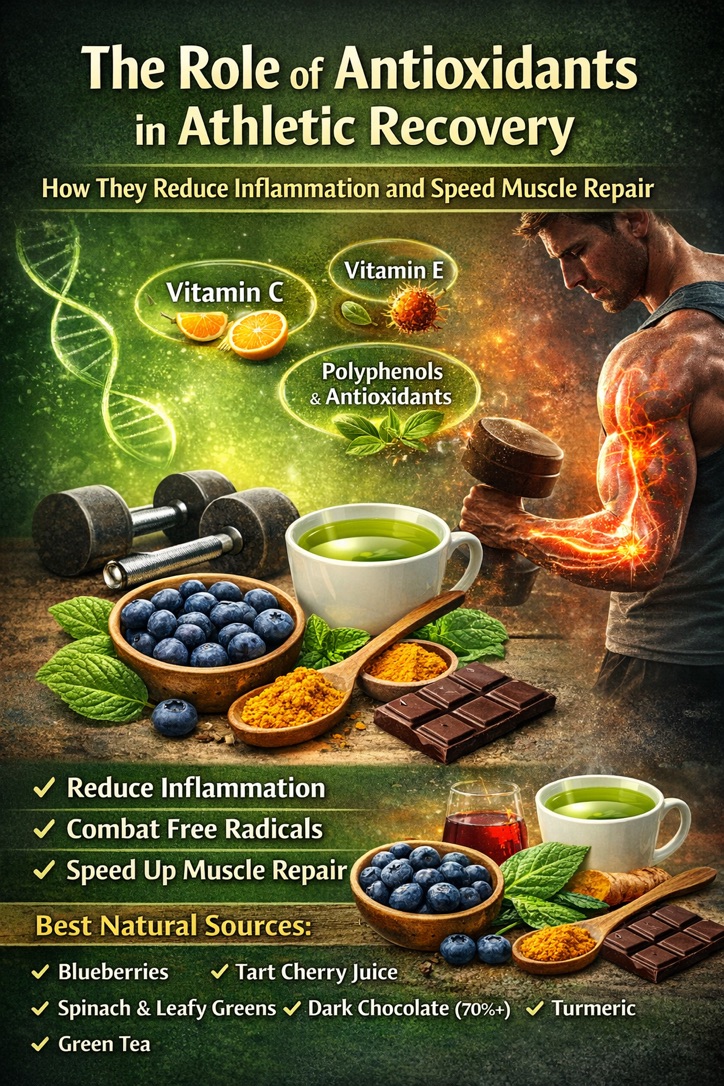
When you train hard — whether lifting, sprinting, or pushing through endurance sessions — your body isn’t just building strength. It’s also creating stress, including a type of stress that often goes unnoticed: oxidative stress.
Understanding oxidative stress, antioxidants, and the role CBD can play gives you a huge advantage in recovery, performance, and long-term wellness.
What Happens During Intense Exercise?
During exercise, your muscles and cells need more oxygen to produce energy (ATP). This increased activity generates unstable molecules called free radicals. These molecules are highly reactive because they are missing electrons and will “steal” them from nearby cells, including muscle tissue, mitochondria, and even DNA.
- Small amounts of free radicals are beneficial: they signal your body to adapt and get stronger.
- Excessive free radicals can be harmful: causing oxidative stress that slows repair, increases inflammation, prolongs soreness, and contributes to fatigue.
This is where antioxidants step in — including CBD.
What Are Antioxidants?
Antioxidants are compounds that neutralize excess free radicals, donating electrons safely to stabilize them before they damage cells. Think of antioxidants as your body’s internal recovery defense system.
Key antioxidants for athletes include:
- Vitamin C – Supports immune function and collagen production
- Vitamin E – Protects cell membranes from oxidative damage
- Glutathione – The “master antioxidant” naturally produced in the body
- Polyphenols – Plant compounds found in berries, green tea, and turmeric
- Melatonin – A sleep hormone that also protects cells from oxidative stress
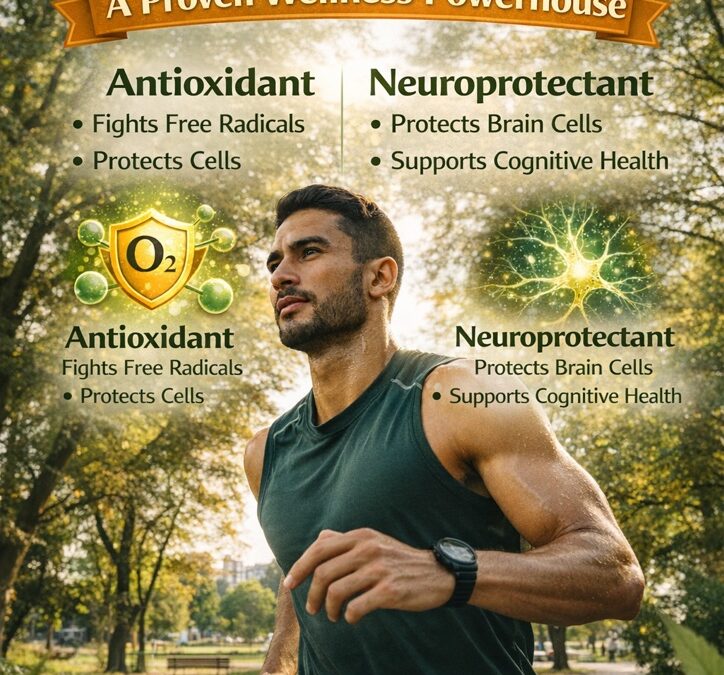
- CBD (Cannabidiol) – A natural cannabinoid with antioxidant and neuroprotective properties, recognized in US Patent 6,630,507. CBD supports recovery by reducing oxidative stress and protecting cells, including muscle and neuronal tissue.
Antioxidants, CBD, and Muscle Recovery
After intense training, your muscles experience:
- Microscopic fiber tears
- Inflammation
- Increased oxidative stress
While some inflammation is necessary for growth, too much oxidative stress can interfere with:
- Protein synthesis
- Cellular energy production
- Mitochondrial function
- Tissue repair
Antioxidants and CBD help by:
- Protecting cell membranes from oxidative damage
- Supporting mitochondrial energy production
- Reducing excessive inflammation
- Supporting faster return to baseline function
- Offering neuroprotection for long-term cognitive and physical resilience
Research shows diets rich in natural antioxidants, alongside CBD supplementation, can help reduce markers of muscle damage and speed recovery — all while promoting longevity.
CBD: The Anti-Oxidant & Recovery Ally
CBD is unique because it is non-intoxicating and has antioxidant and neuroprotective effects independent of cannabinoid receptors.
- CBD reduces oxidative stress in muscle and brain cells.
- It protects DNA, proteins, and cell membranes from damage.
- Regular use supports cellular health, anti-aging, inflammation reduction, and recovery.
- CBD is well-tolerated even at higher doses (30–60 mg/day), unlike THC.
Using CBD alongside traditional antioxidants — vitamins, polyphenols, melatonin — creates a synergistic effect, supporting recovery, brain health, sleep, and long-term cellular resilience.
Pain, Inflammation, and Sleep
CBD works with your body’s endocannabinoid system, which helps regulate:
- Pain perception
- Inflammation
- Immune response
- Stress
When combined with antioxidants, CBD helps:
- Reduce joint and muscle discomfort
- Calm chronic inflammation
- Improve stress response and sleep quality
- Protect cells from oxidative stress, supporting longevity and long-term wellness
Sleep is critical: deep, restorative sleep allows growth hormone release, protein synthesis, glycogen restoration, and tissue repair. CBD and antioxidants like melatonin optimize this process naturally.
Best Natural Sources of Antioxidants (Including CBD)
- Blueberries
- Tart cherry juice
- Leafy greens like spinach and kale
- Dark chocolate (70%+)
- Turmeric (curcumin)
- Green tea (EGCG polyphenols)
- CBD (broad-spectrum or full-spectrum microdose)
Pro Tip: CBD is available as broad-spectrum (0 THC) for zero psychoactive effects or full-spectrum in microdoses (like a 30:1 CBD:THC ratio) to leverage the entourage effect without significant psychoactivity.
Practical Recovery Tips
- Balance Training & Recovery – Recovery is about managing oxidative stress, not eliminating it entirely.
- Prioritize Sleep – Optimize natural melatonin production through routine, darkness, and blue-light reduction.
- Use Antioxidant-Rich Foods & CBD – Support cellular repair, reduce inflammation, and protect neurons and muscles.
- Start Low & Increase Gradually with CBD – Broad-spectrum CBD: 30 mg/day is safe for most; full-spectrum microdose: 30 mg CBD + 1 mg THC. Adjust slowly as tolerated.
Key Takeaways
- Antioxidants are essential for managing exercise-induced oxidative stress and promoting faster recovery.
- CBD is a powerful, natural antioxidant and neuroprotectant that supports muscle repair, sleep, inflammation reduction, and long-term cellular health.
- Combining antioxidants and CBD provides a holistic approach to recovery, longevity, and wellness.
- Start with whole-food antioxidant sources and safe CBD dosing to maximize benefits.
- Recovery is a system: nutrition + sleep + antioxidants + CBD + smart training.
Closing Statement — From Asé Pure Naturals
At Asé Pure Naturals, we believe fitness is freedom. Supporting your cells, honoring your recovery, and protecting your body’s natural defenses is how you move without limits — today and for years to come.
Whether you’re a beginner or elite athlete, antioxidants are tools to optimize recovery, reduce inflammation, and promote long-term health. Train smart, recover better, and live stronger.